Your Best Moments Happen
in the Real World
With TapTech, you can measure, programme and own physical moments.

Trusted in the room by
TapTech · one system
Engage with Real People
Power your brand IRL with TapTech: a three part system for real world engagement.
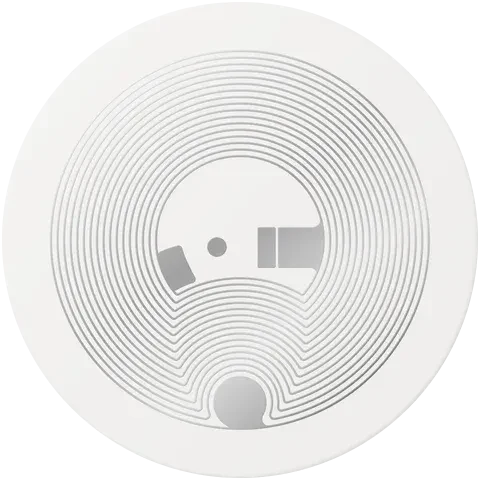
Work
Measure Ethically
Brands trust TapTech because it measures with consent: people choose to tap, participate and share. Here’s what it looked like.
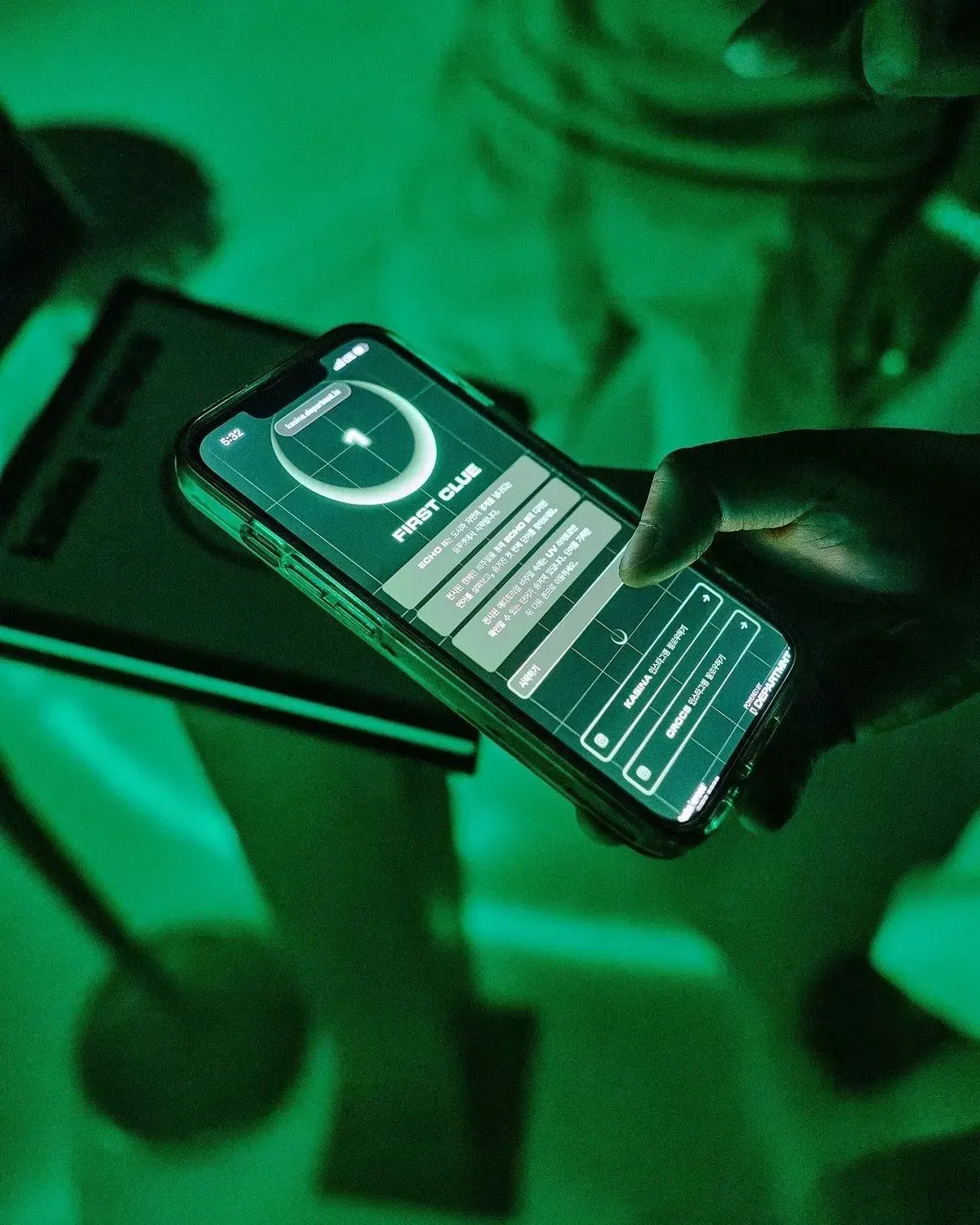
Product launch · Seoul
Crocs turned their product launch into a gamified hunt
- puzzle completion once engaged
- 94.9%puzzle completion once engaged
- taps across five touchpoints
- 1,031taps across five touchpoints
- people on the floor
- 298people on the floor
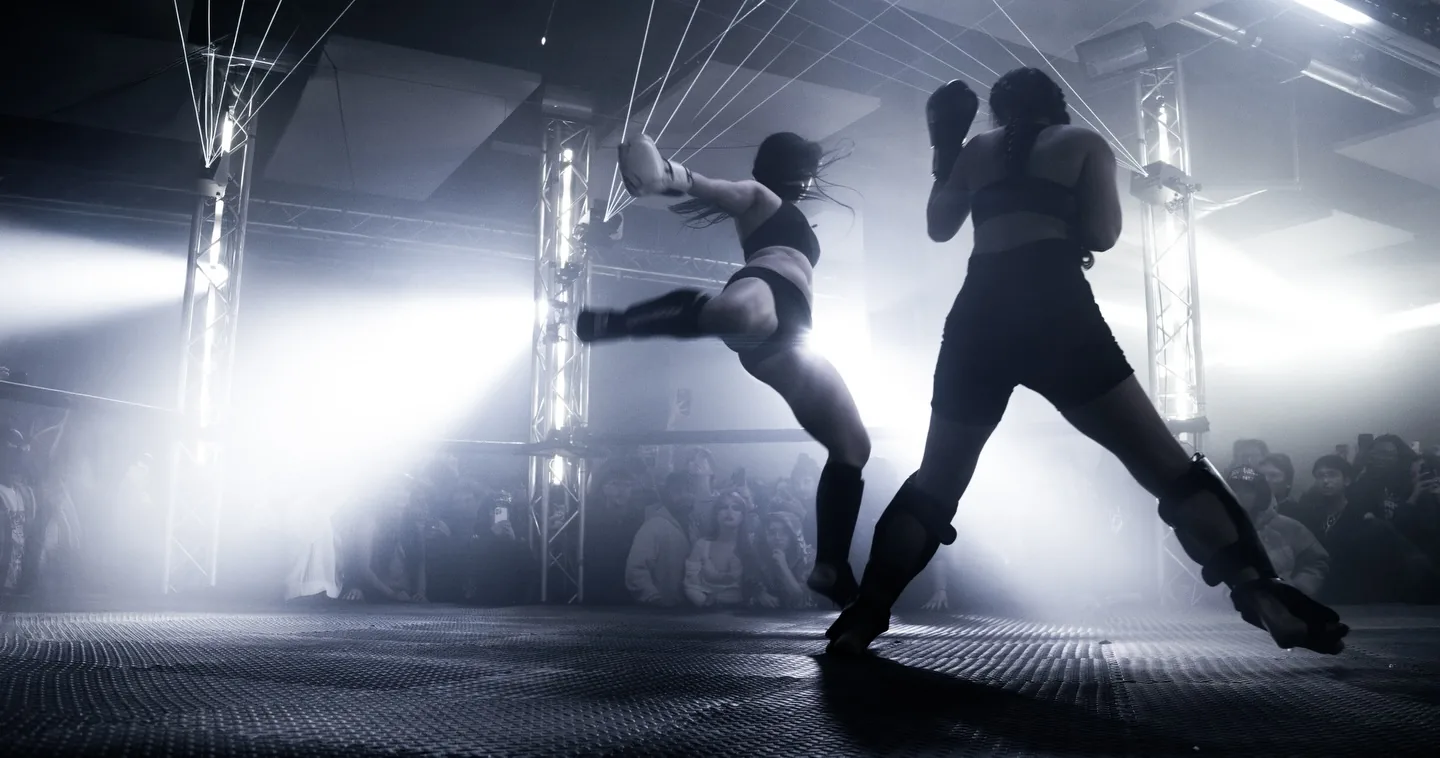
Event infrastructure · London and Los Angeles
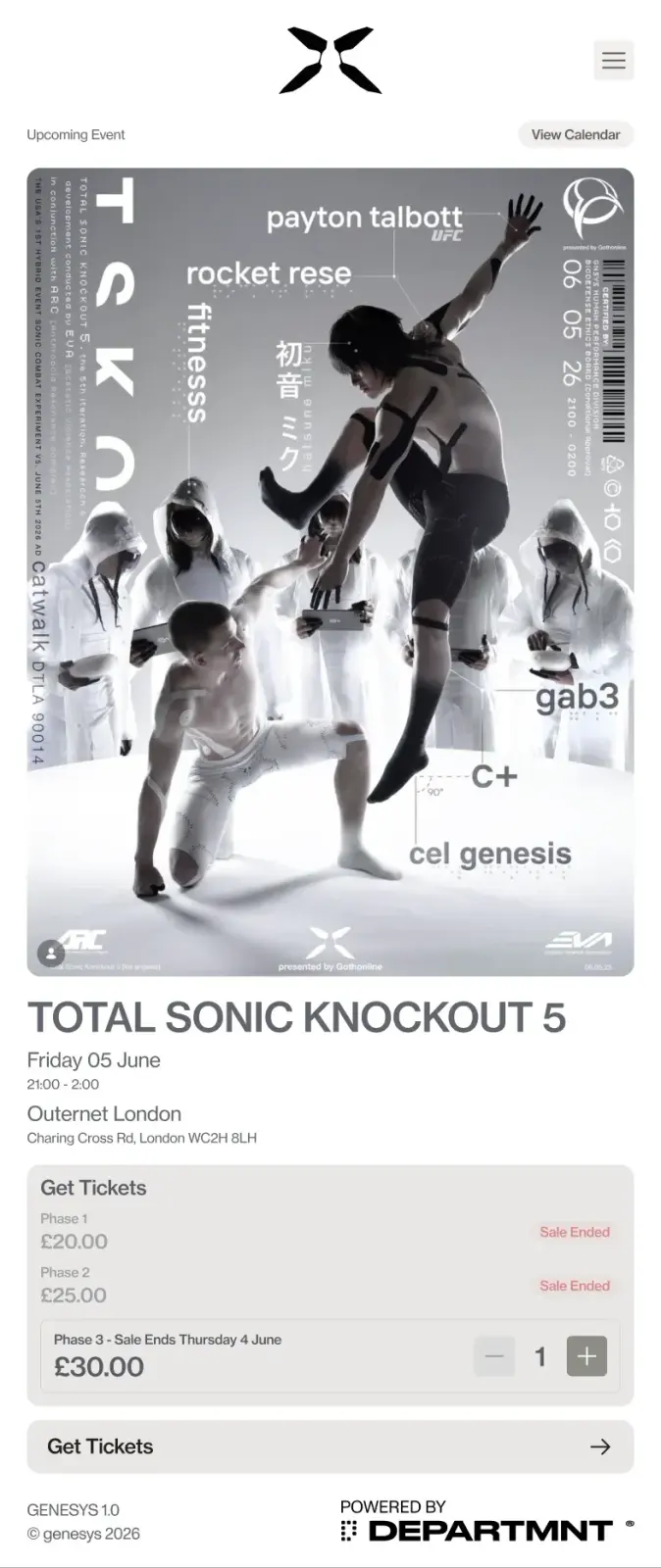
How Genesys took back ticketing, the door and the fan list
- platform booking fee, remitted in full
- £0platform booking fee
- tickets on one door system, every channel reissued
- 1,320tickets on one door system
- all in payment cost, against 8 to 10% before
- 2.58%payment cost, down from 8 to 10%
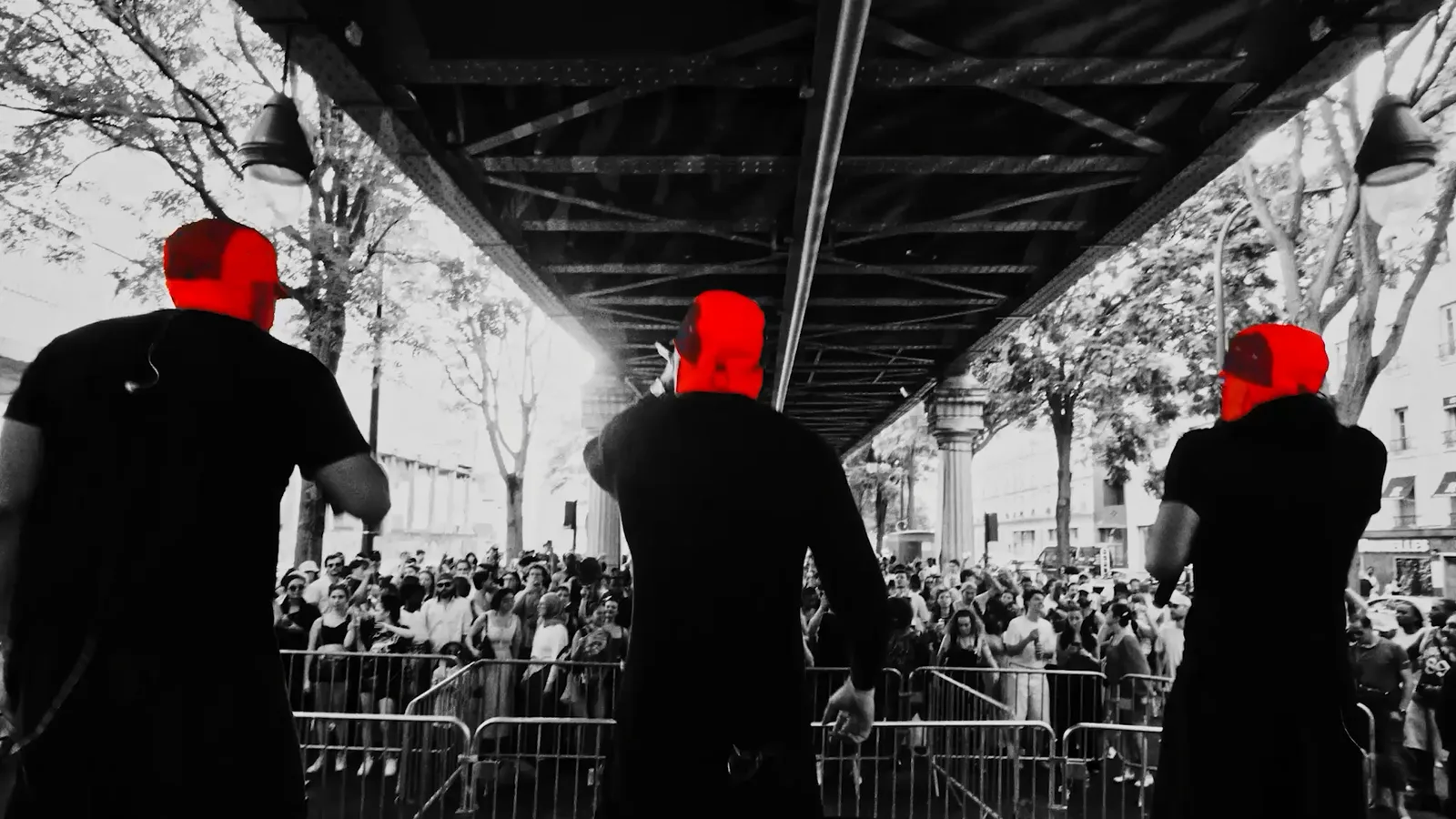
Fan infrastructure · London and Paris
The power of IRL: a named, consented audience in 50 countries, built from the ground up
- opted into marketing, against a 20 to 30% norm
- 67%opted into marketing
- fans signed up in 11 days, from a standing start
- 137fans signed up in 11 days
- came back to the Portal unprompted
- 35%returning fans
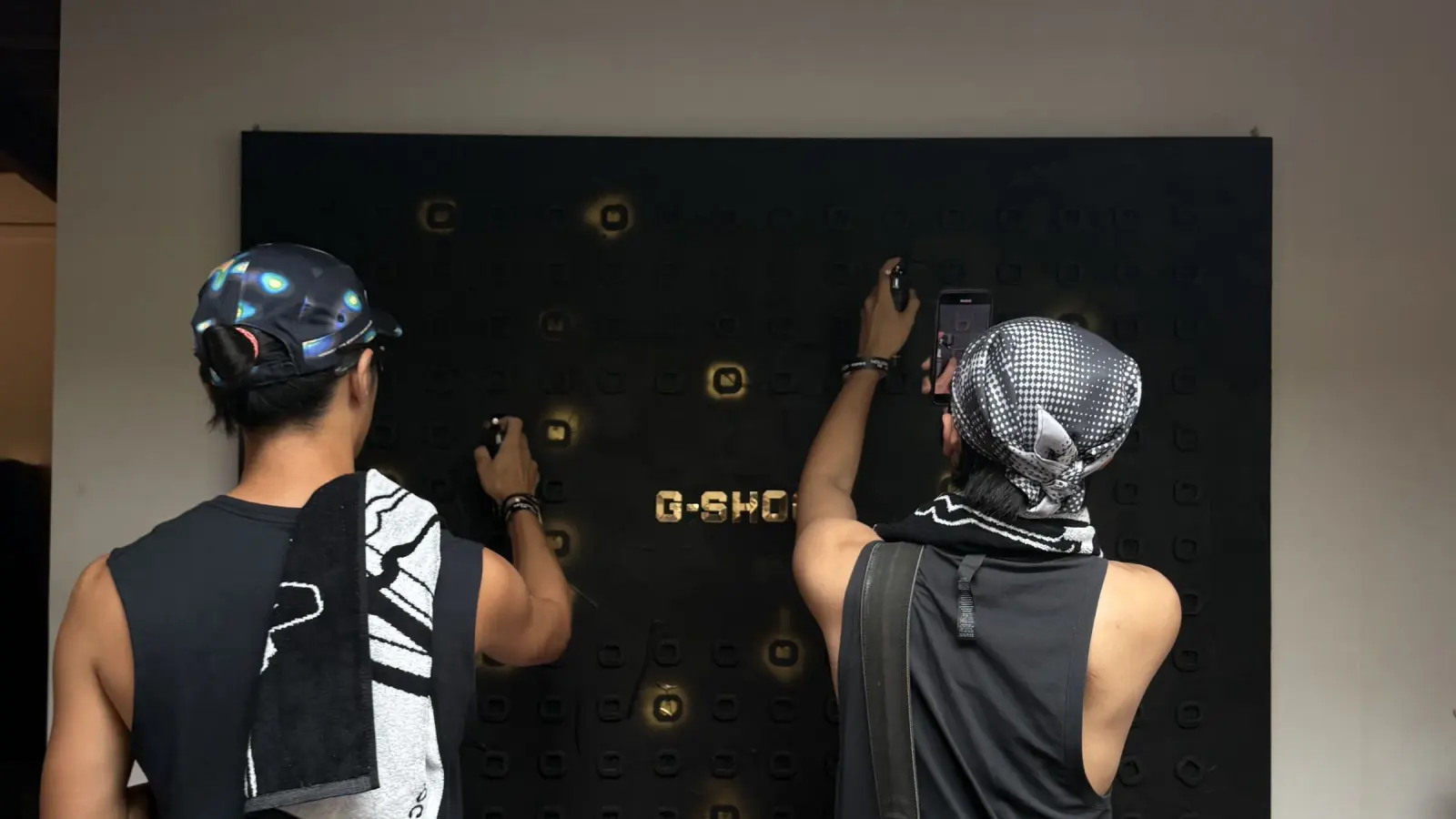
Gamified installation · Singapore
G-SHOCK artwork turns participation into a record
- completed the full journey
- 92%completed the full journey
- shared to social, with no incentive
- 39%shared to social
- engagement on the peak day
- 22×engagement on the peak day
Proof
Numbers from the Room
Data and numbers from real moments recorded, not from estimates or models.
- 67%of fans opted into marketingThe platform norm is 20 to 30%.H.LLS × 10K Projects →
- £0booking fee on 1,320 ticketsTotal payment cost 2.58%, down from 8 to 10% before.Genesys, TSKO6 →
- 92%of people who tapped finished the whole journeyTurns participation into records.G-SHOCK × Who Eats Art →
- 50countries in a consented audienceNo list to start from.H.LLS × 10K Projects →
Figures from 2026 project records
The thesis
Presence Is Different
It’s a signal money can’t buy, and most brand owners aren’t recording it.
Here’s why it matters.
01
It’s expensive
Compared to clicks, follows and impressions, presence costs a lot more: time, travel and money.
6 min 30 s of real attention recordedKasina × Crocs02
It can’t be faked
Clicks get botted, followers get bought, impressions get distributed. You can’t fake a physical tap.
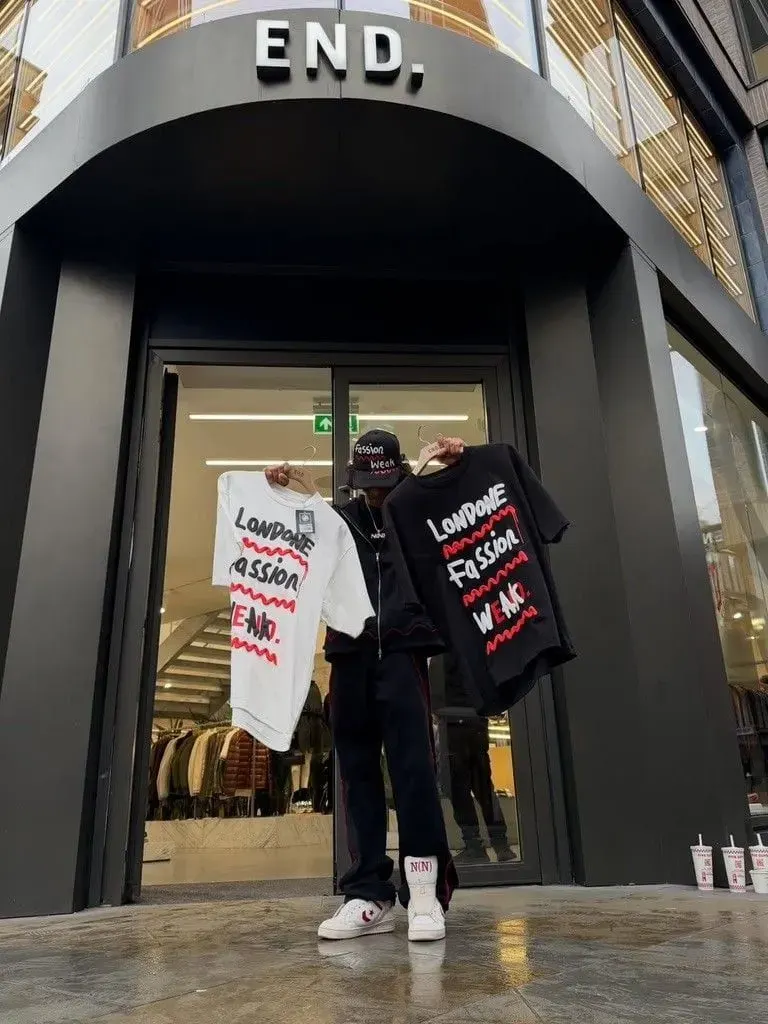
0% duplicate or fraud rate on raffle entriesNavinder Nangla × END.03
Spend can’t replace it
You can buy reach but you can’t buy attendance.
51% of pop up attendance attributed to web trafficMulaa Joans04
It’s scarce
100 people who show up are worth more than 10k followers.
137 committed fans attended and engaged with productsH.LLS × 10K Projects
Solutions
Built for IRL Culture
An operating system for brands in the real world.
- CreatorsMerch, records and flyers that bring fans into your world.
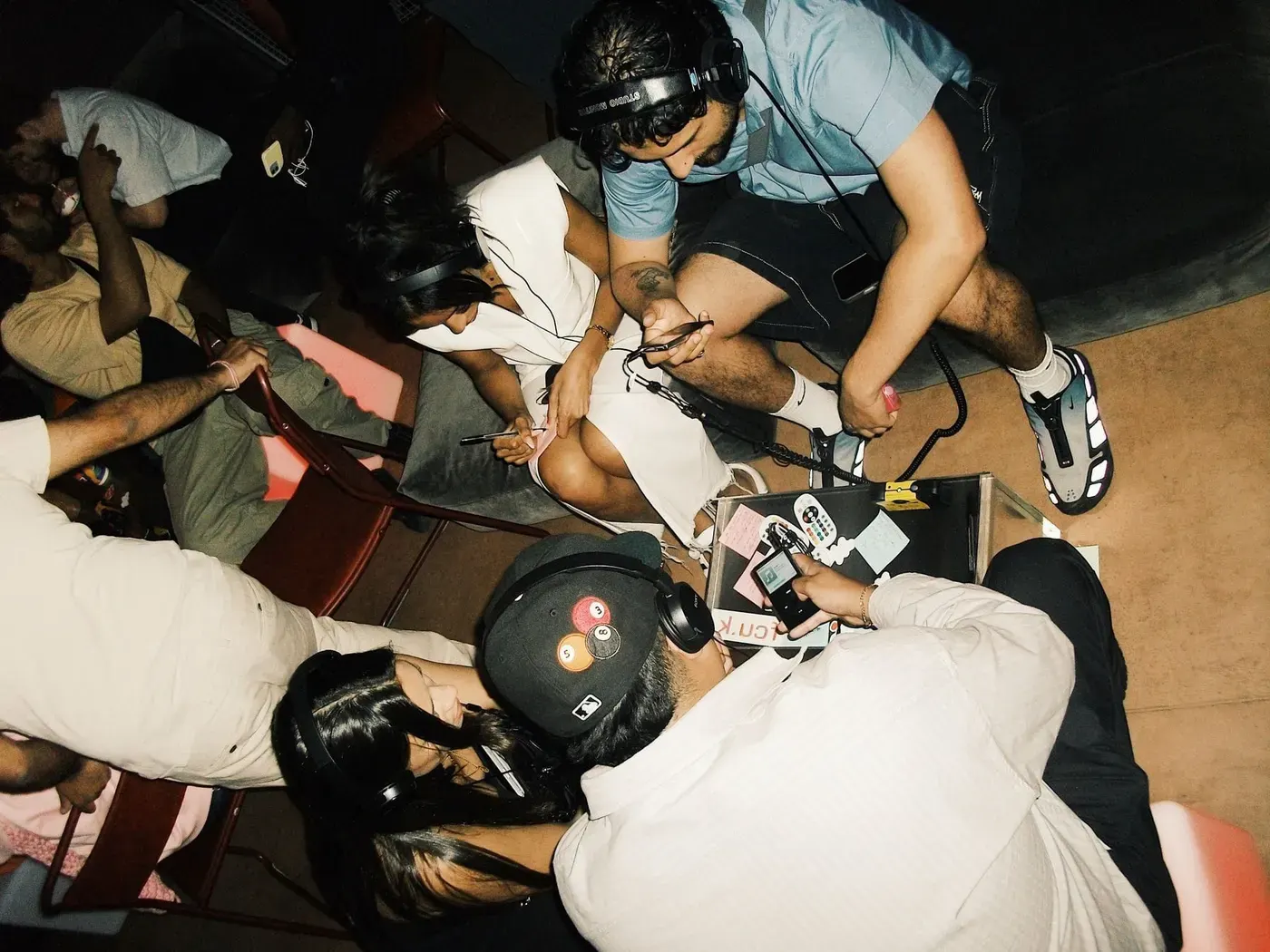 Creators
 - EventsOne tap gets your crowd through the door.
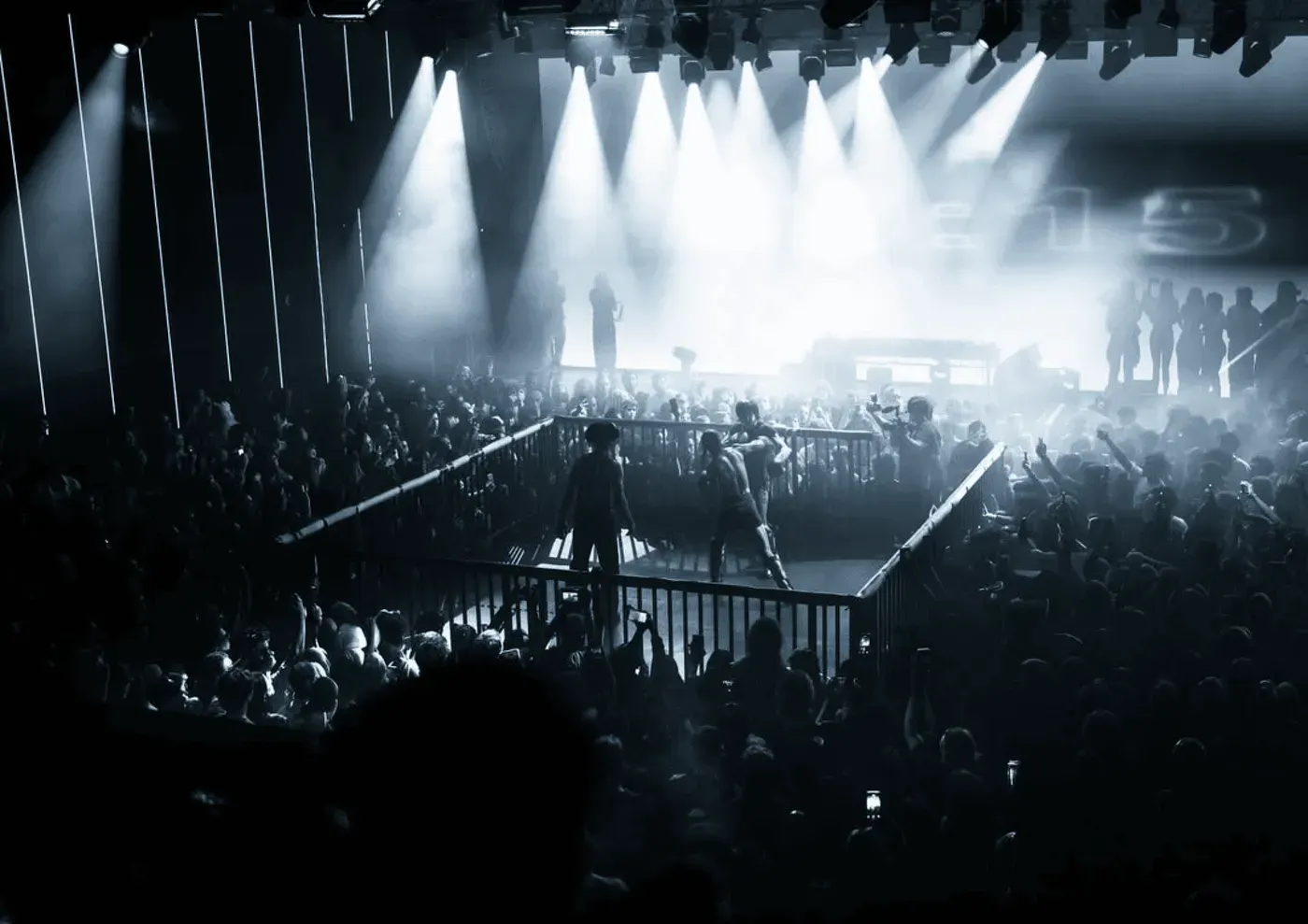 Events
 - ExperientialGamify and measure your activations.
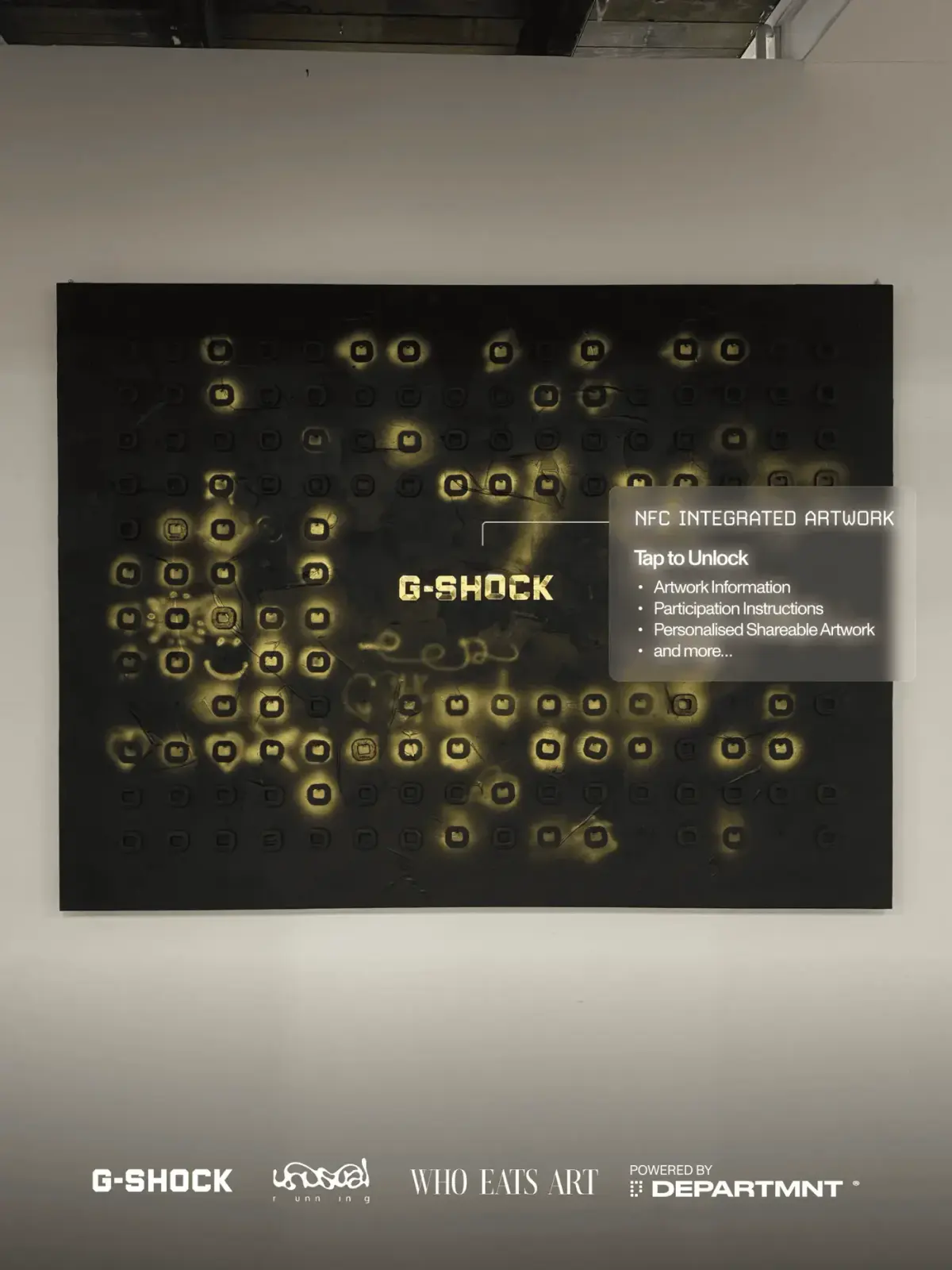 Experiential
 - RetailTurn a launch queue into people you can reach after.
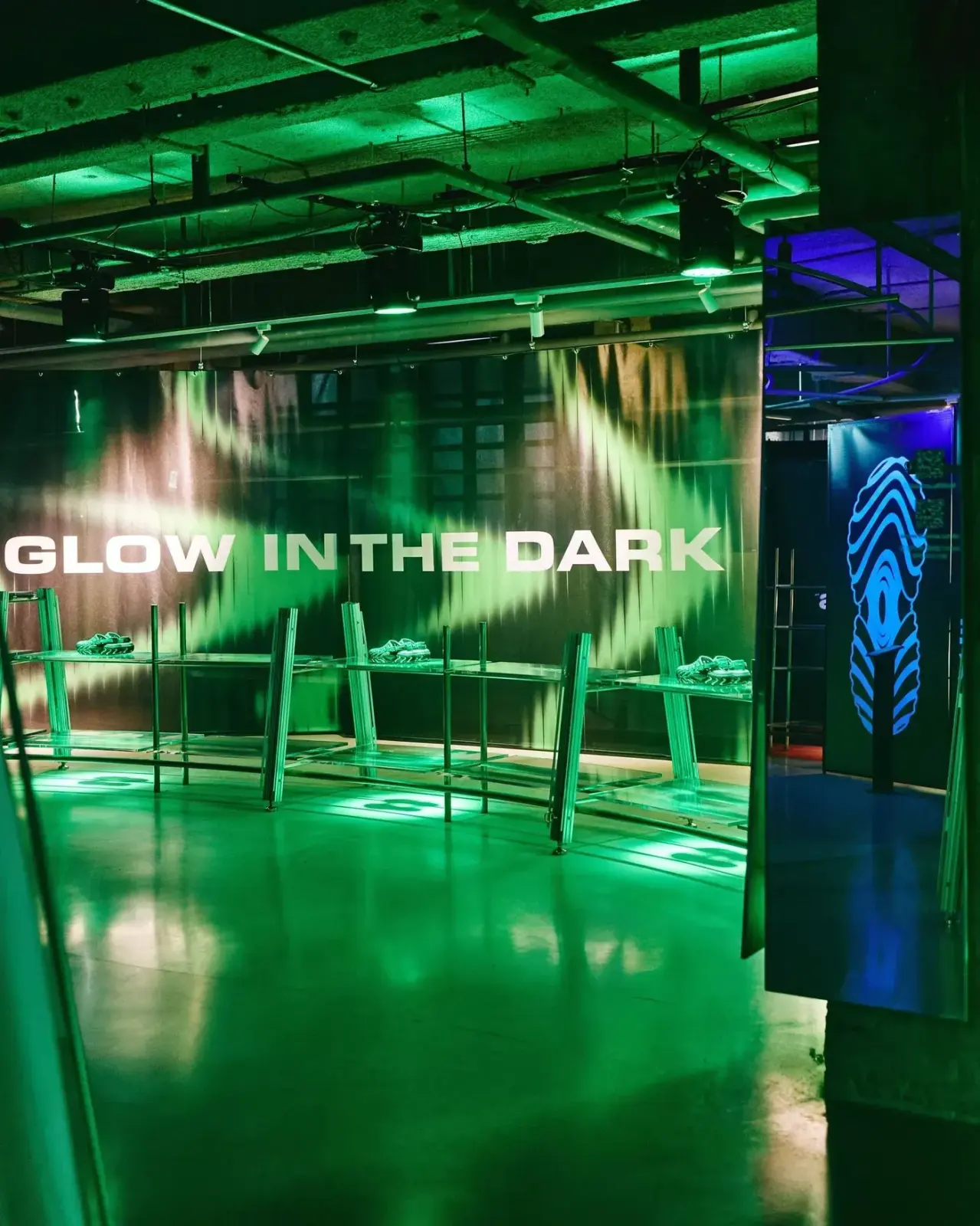 Retail
 - MembershipGive members a reason to come back, not just to pay.
 Membership
 - ProductsTags that prove authenticity and record ownership.
 Products
The record
The Operating System Your Brand Runs On
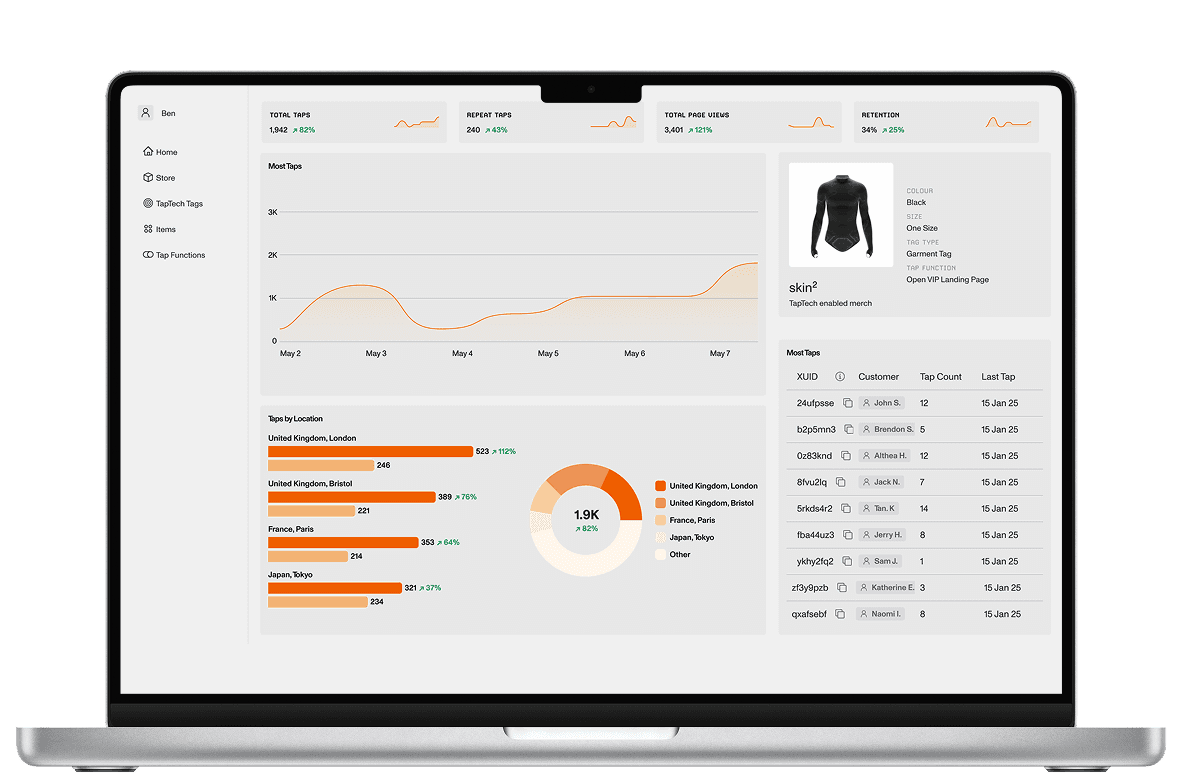
Every tap adds to one record. Here’s what it tells you.
Who showed up
Every tap is an arrival with a time and a place on it. Counted at the door, the rail and the shelf, not estimated from a clicker or a camera.
Who took part
Which zone, which object, which moment. The route people actually took through the thing you built, in the order they took it.
Who came back
Presence repeated across nights, cities and drops. It’s the difference between a crowd you hosted once and an audience you have.
Who you can talk to
Consent is asked for at the first tap and kept with the record, so the size of your contactable audience is a count, not a hope.
Why the record holds up
Most Measurement Is Modelled. Ours Is Recorded.
The same questions every brand asks of a moment, answered two ways.
| Question | The usual way | With TapTech |
|---|---|---|
| Attendance | Estimated from ticket scans, door counters or camera footfall. | Each arrival is a tap with a time and a place. Counted, not modelled. |
| Attribution | Inferred from clicks and last touch models, a step away from the room. | A physical moment on the record, joined to what happened next. |
| Fraud | Bots, bought followers and shared codes inflate the numbers. | A tap needs a phone at the tag. Advance tags cannot be cloned. |
| Consent | Buried in terms nobody reads, or assumed from a scan. | A deliberate act, asked for in plain words at the first tap. |
| Ownership | The platform keeps the audience and rents it back as ads. | The brand controls its records. Export and deletion on request. |
| Friction | Download the app, make an account, then take part. | The page opens in the browser. No app, ever. |
How we keep the recordsHow tags authenticate ↗Data and privacy ↗
Where Next
- Know the shape of itGet an estimateScope a programme and see the tier and an indicative cost.
- Comparing optionsPick a tierFive tiers, what each includes, and when to move up.
- Know the formatOrder tagsEight formats, priced by quantity, with your Portal assigned.
- Have a dateStart a briefTell us the moment and the date. We reply within a working day.